About Buxar
Across the shifting sands of the Karmanasa and the eternal flow of the Mother Ganges lies Buxar - a land where the threshold of mythology dissolves into the definitive ink of imperial history. To walk its soil is to traverse a palimpsest of India's soul.
📍 Administrative Details
- DistrictBuxar, Bihar
- DivisionPatna
- Lok Sabha33-Buxar (LS Seat)
- MunicipalityBuxar and Chausa
- LanguagesHindi, Bhojpuri
- STD Code06183
- District Portalbuxar.nic.in
🏭 The Dawn of Legend: Siddhashrama
In the misty reaches of the Treta Yuga, Buxar was known as Siddhashrama - a sanctuary of spiritual perfection. It was here that the sage Vishwamitra nurtured the young princes Rama and Lakshmana. The very name 'Buxar', derived from Vyaghra-sar, whispers of a metamorphosis where a cursed sage was transformed from a tiger back to human form within its holy waters.
⚔️ The Crucible of Empire: 1764
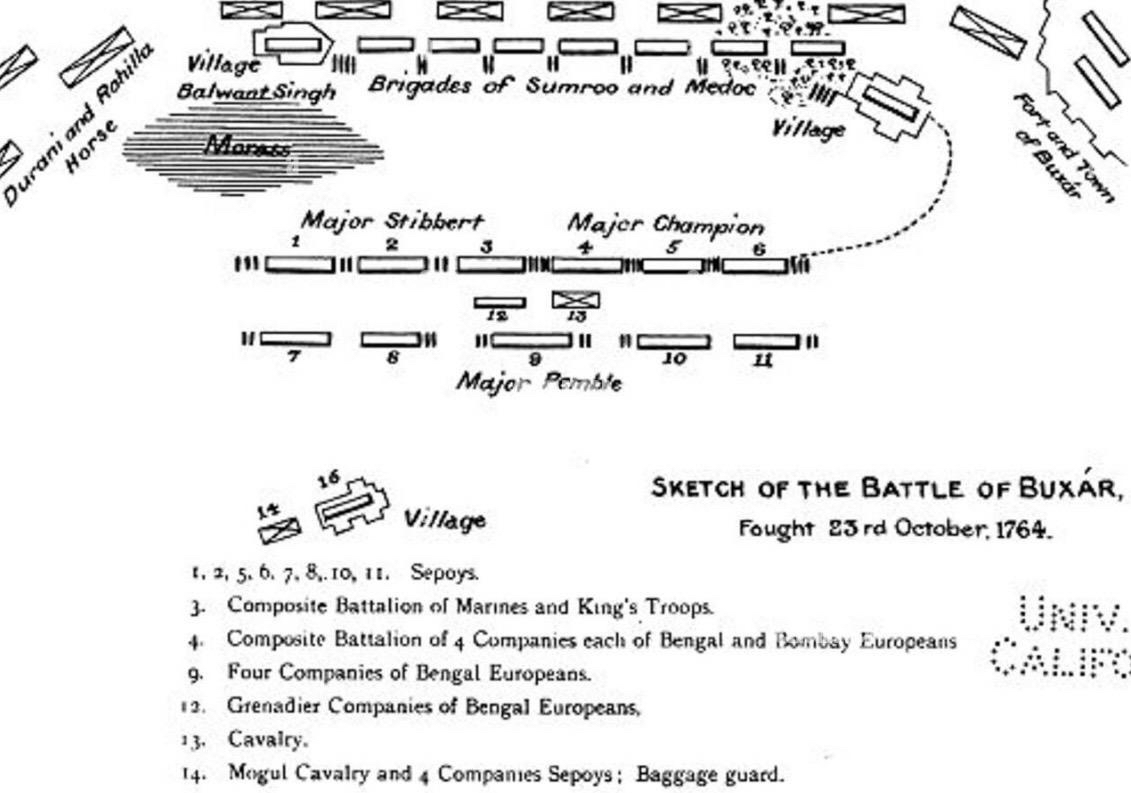
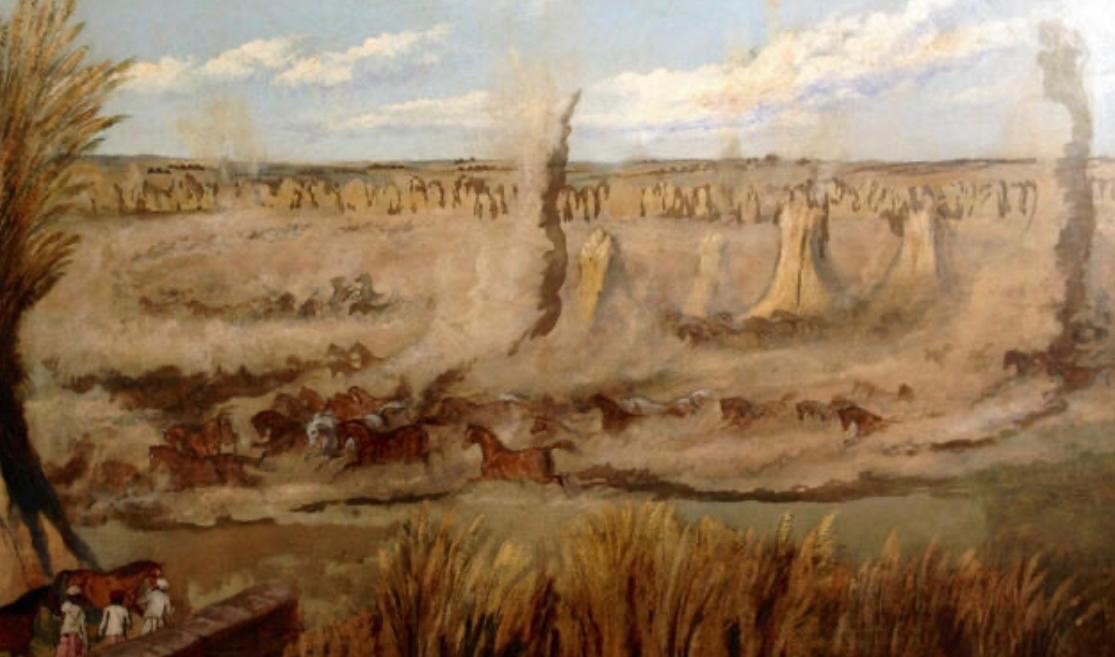
The year 1764 stands as the watershed moment in Buxar's biography. The Battle of Buxar - a grand collision of destinies - saw the combined might of Mir Qasim, Shuja-ud-Daula and Emperor Shah Alam II fall before the East India Company. The Treaty of Allahabad, born from this battlefield, granted the British the Diwani rights, effectively handing the keys of the subcontinent to a merchant company.
🏭 The Colonial Echo & Freedom
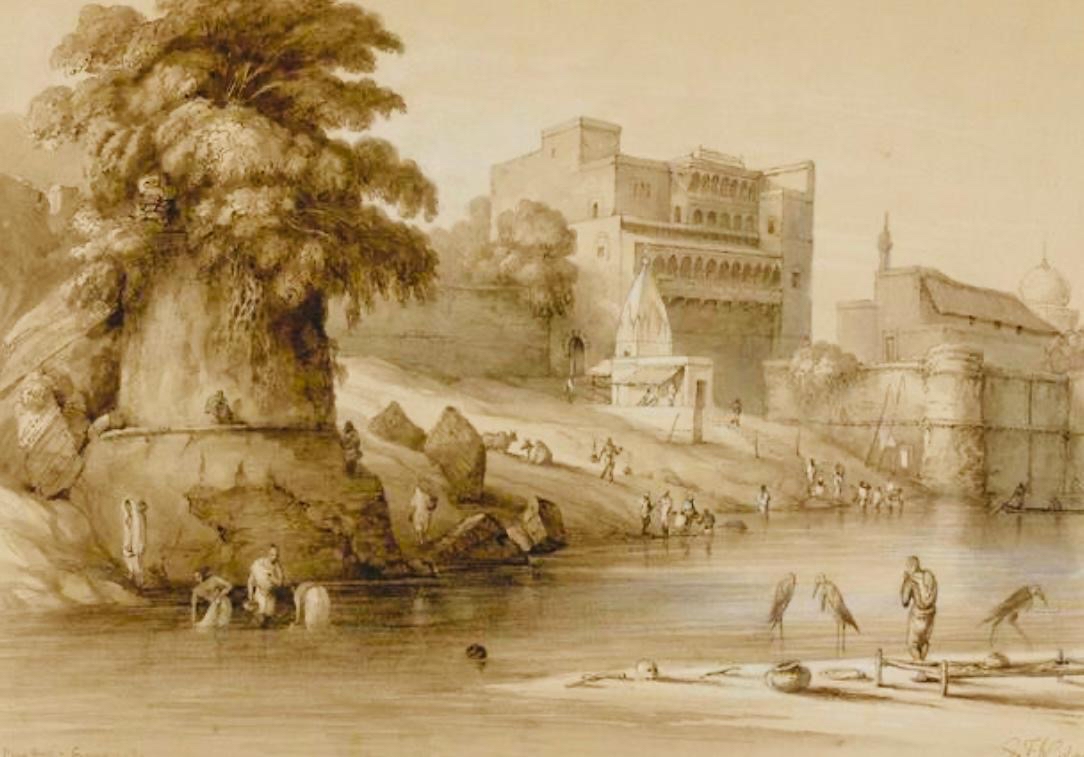
Under British rule, Buxar became a fortified outpost. Yet the spirit of the land remained unyielding. During the Great Rebellion of 1857, the echoes of Kunwar Singh's defiance resonated through its streets as the local peasantry and sepoys rose against foreign administration. On March 17, 1991, Buxar was formally carved out as an independent district.
The Geography of Buxar
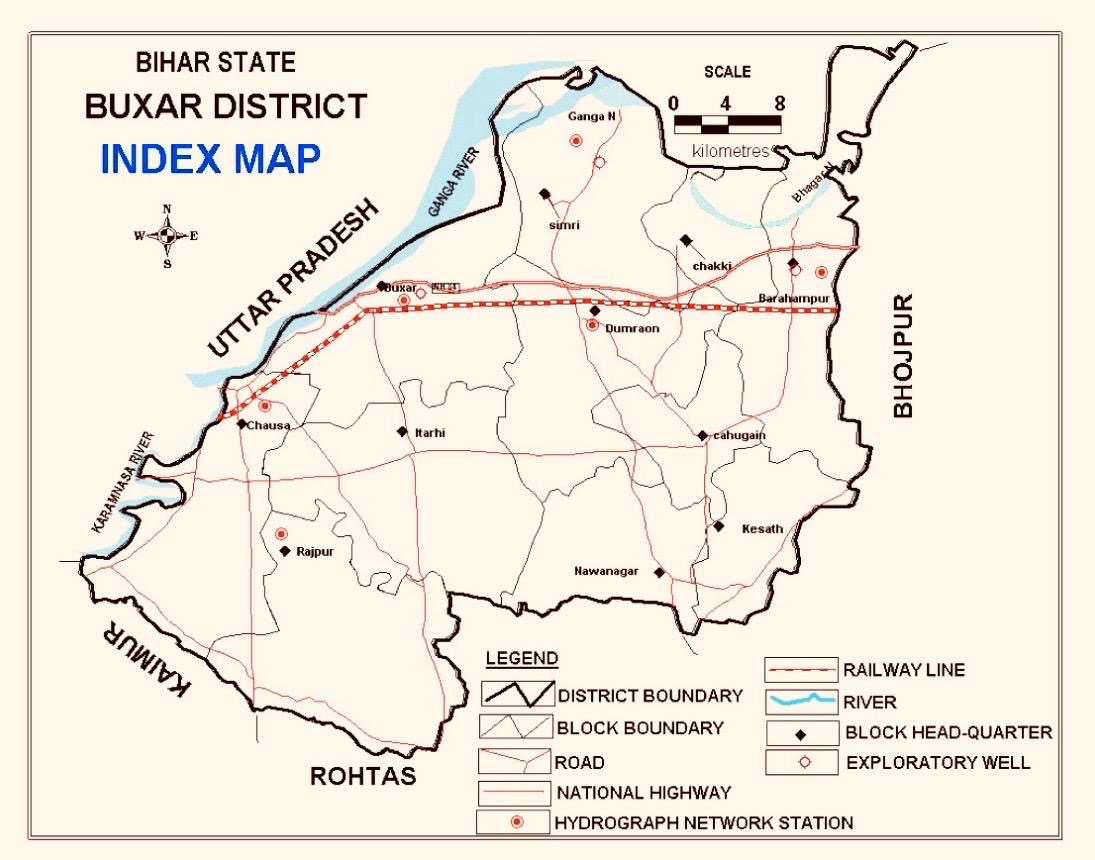
Situated at the western threshold of Bihar, Buxar serves as a transition point between the undulating plains of Uttar Pradesh and the deep alluvial heart of the Magadh region. A vast, emerald expanse of alluvial soil deposited over millennia by wandering rivers - wheat and paddy fields stretch to a seamless horizon, interrupted only by ancient mango groves.
Hydrologically, Buxar is cradled by a trio of rivers that dictate its rhythm: the Ganges to the north, the Karmanasa to the west, and the Thora to the east. The Karmanasa - historically regarded as the "destroyer of religious merit" - serves as the natural frontier separating the district from Uttar Pradesh.
🏠 Administrative Blocks
- 1.Buxar Block
- 2.Rajpur
- 3.Dumraon
- 4.Chaugain
- 5.Itarhi
- 6.Nawanagar
- 7.Shahpur
- 8.Brahmpur
🏫 Government Colleges
Prominent state-run higher education & technical institutes in and around Buxar constituency
🏭 Government Schools
Key government schools serving students across Buxar constituency
Places of Interest
To embark on a tour of Buxar is to walk through a living anthology, where every stone and ripple of water serves as a stanza in the grand epic of India.
 Click on any place name to open its location in Google Maps.
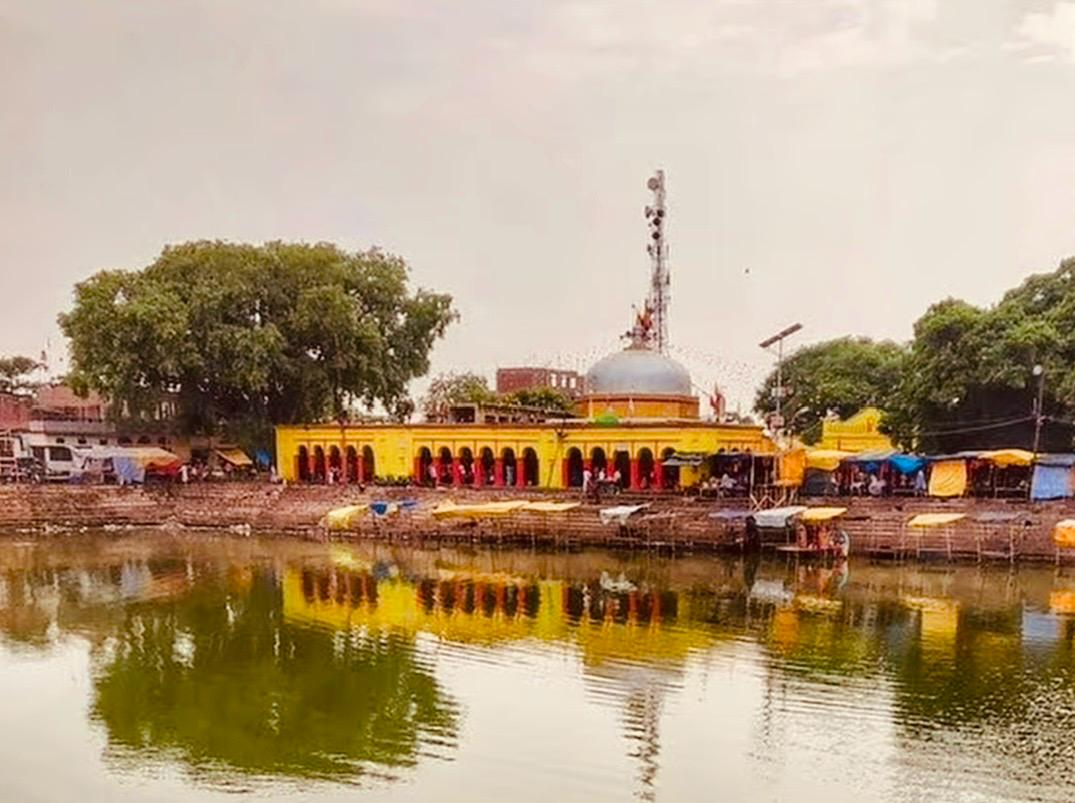
🛕 Baba Brahmeshwar Nath Mandir
One of Buxar's most revered shrines, this golden-hued temple sits serenely on the banks of a sacred pond whose still waters mirror its ancient domes. Devotees gather at its ghats through the day, the air thick with incense and the sound of bells - a living center of faith unchanged across centuries.
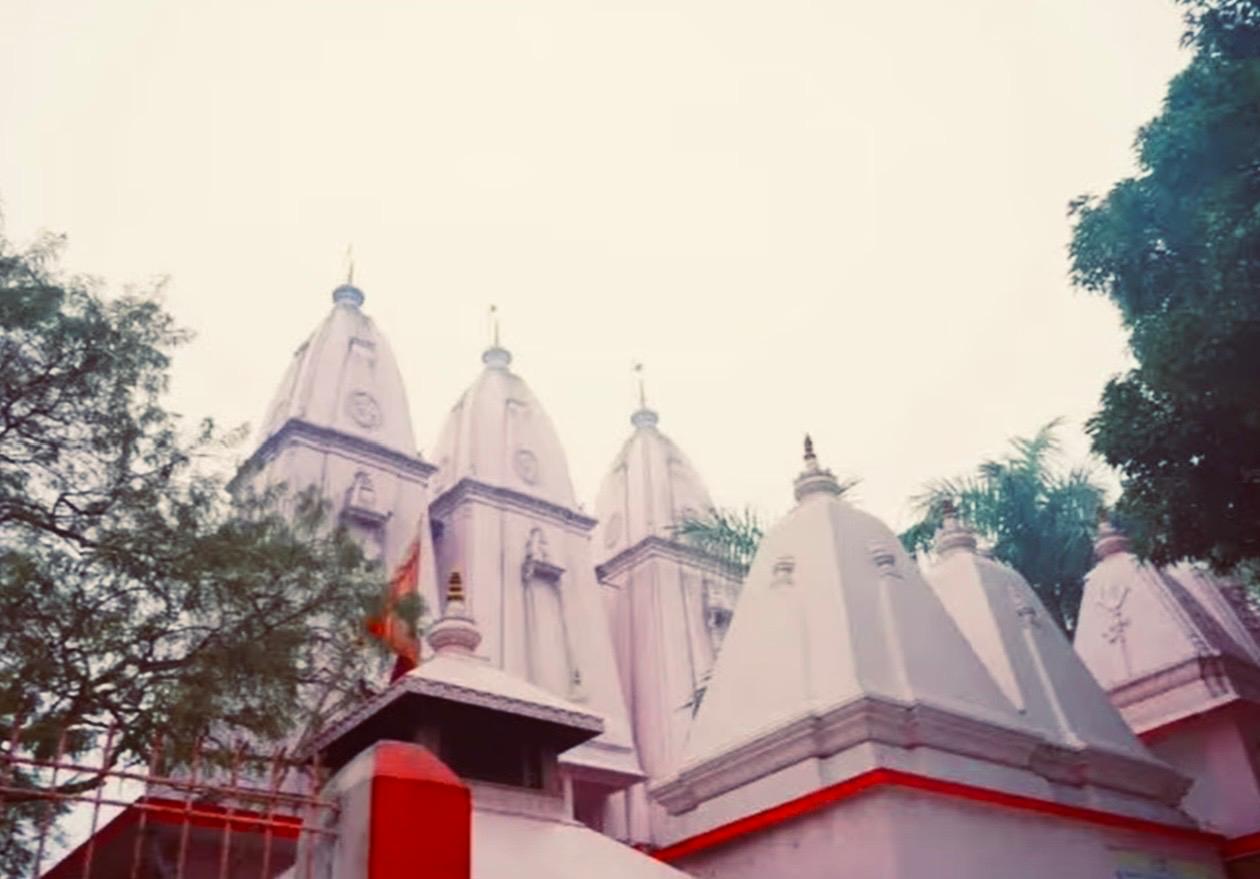
🛕 Sri Nath Baba Mandir
A masterpiece of devotional aesthetics - intricate shikharas soaring skyward amidst a canopy of ancient trees. This temple complex, with its cluster of white spires adorned with saffron flags, represents the enduring resilience of the spirit and draws pilgrims from across Bihar seeking blessings and solace.
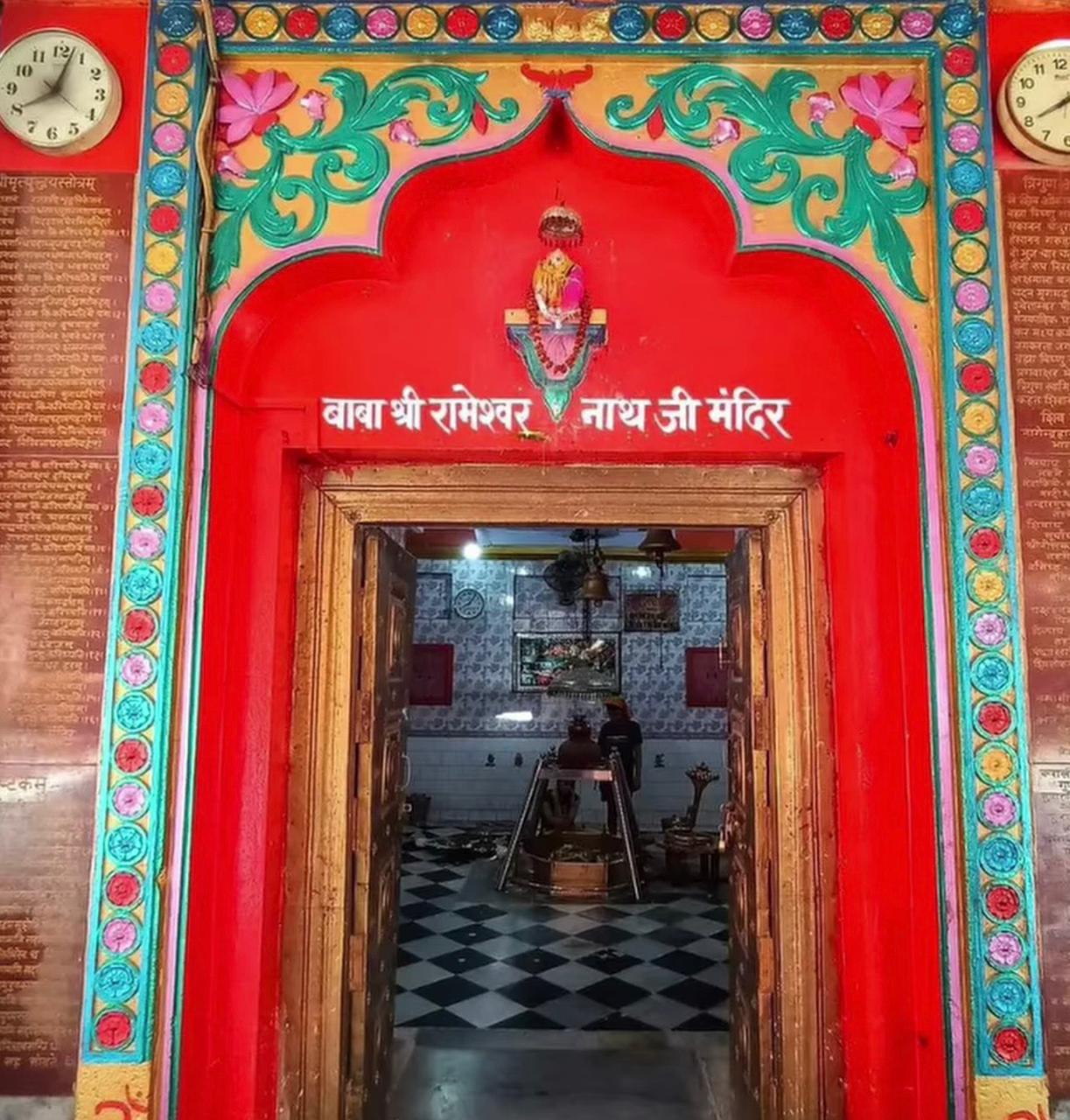
🛕 Shri Rameshwar Nath Ji Mandir
Its ornate entrance arch - blazing vermilion, entwined with lotus vines and sacred verses - opens into a sanctum dedicated to Lord Shiva. The intricately painted doorway and the chequered marble floor within speak of deep devotion and craftsmanship passed down through generations of local artisans.
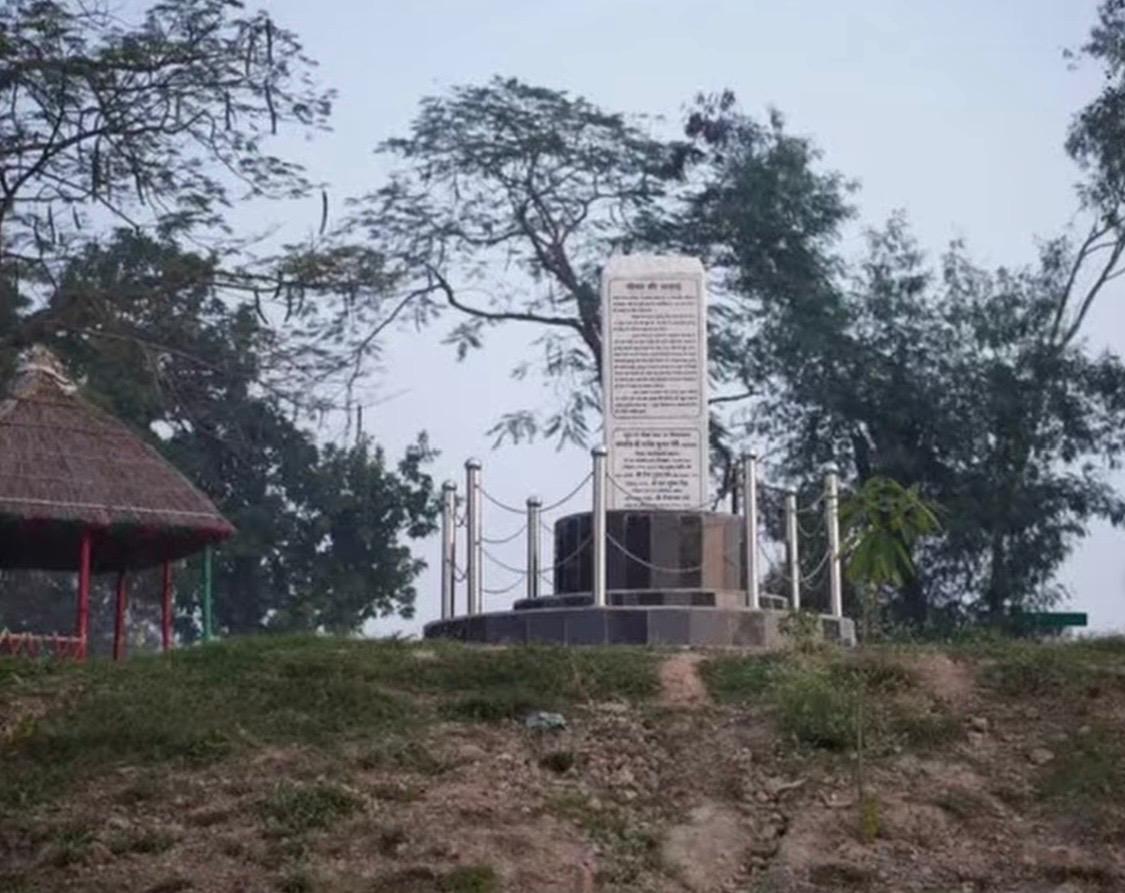
🗾 Chausa Yudh Sthal
A solitary stone memorial stands upon a quiet hillock, marking where Sher Shah Suri outmanoeuvred Mughal Emperor Humayun in 1539 - the Battle of Chausa that changed the course of the Mughal Empire. A place of profound historical irony: a pastoral bluff that once shook with destiny, now serene under open skies.
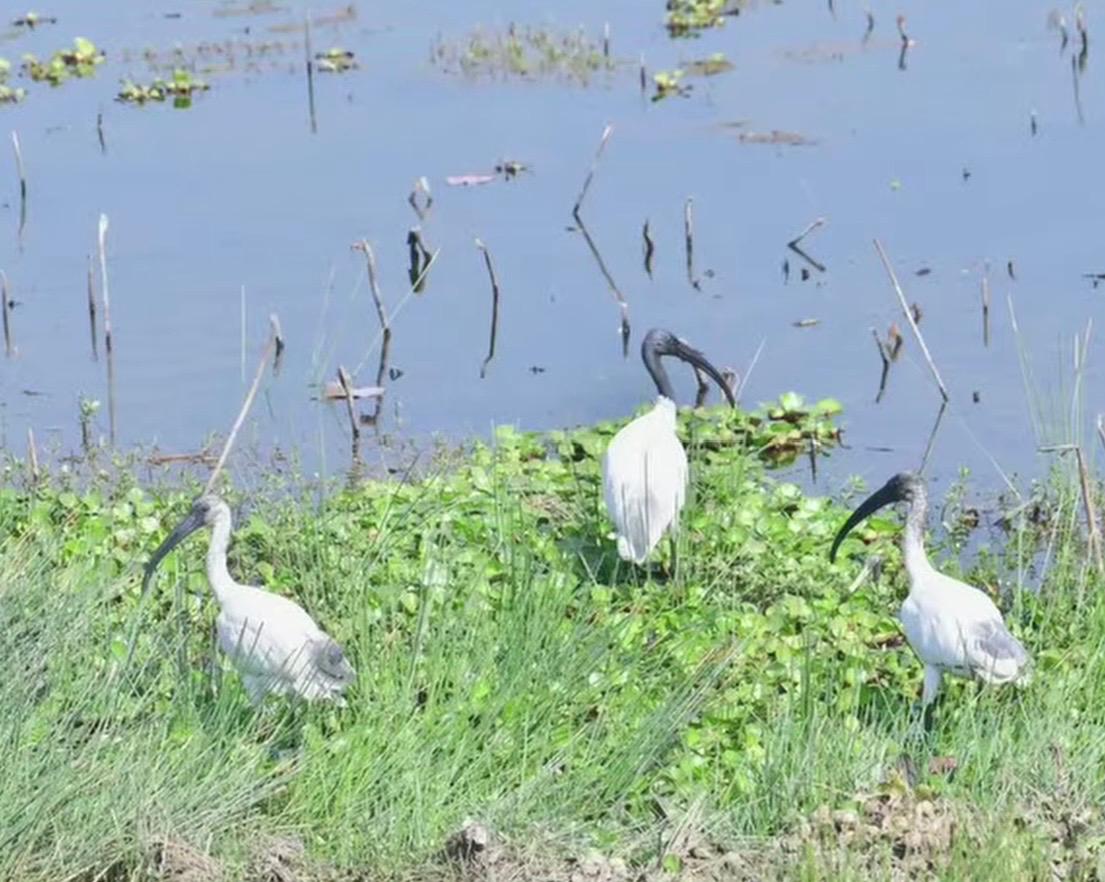
🌿 Gokul Jalashay
A tranquil wetland sanctuary where Sacred Ibis and other migratory birds wade through lotus-studded shallows. Gokul Jalashay is Buxar's green lung - a refuge of quiet beauty where the rhythms of the natural world provide respite from the bustling town, and where birdwatchers find unexpected delight.

🛕 Panchkoshi Parikrama - A Journey Through the Treta Yuga
One of Bihar's most sacred annual pilgrimages, the Panchkoshi Parikrama is a five-day, 15-kilometre barefoot journey tracing the very footsteps of Lord Rama, Lakshmana, and Sage Vishwamitra - rooted in the Treta Yuga. Following the slaying of the demoness Taraka, Lord Rama undertook this odyssey across five ancient rishi ashrams to seek spiritual blessings and cleanse the sin of killing a woman. Held each year during the auspicious Hindu month of Agahan (November–December), the parikrama draws millions of devotees and ascetics from across India.
The pilgrimage is defined by a deep-rooted culinary ritual - each day, the procession advances to a new spiritual outpost, devotees sleep under the stars, and a locally-assigned dish is prepared and offered as prasad.
- Day 1 · AhirauliAhilya Dham - Puwa-Pudi (celebrating the liberation of Devi Ahilya)
- Day 2 · NadonAshram of Narada Muni - Khichdi
- Day 3 · BhabhuarHermitage of Sage Bhargava - Chura-Dahi
- Day 4 · Barka NuaonSeat of Sage Uddalak - Sattu-Mooli
- Day 5 · CharitravanGuru Vishwamitra's Ashram - Grand Litti-Chokha Mahabhoj
The fifth day transforms the entire town into a massive open-air kitchen - the legendary Litti-Chokha Mahabhoj that has made Buxar synonymous with this great festival of faith and flavour.
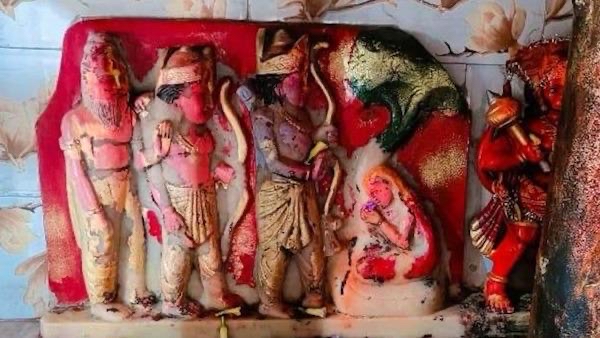
🛕 Maa Ahilya Dham
A deeply revered ancient shrine in Ahirauli village, Maa Ahilya Dham marks the exact site of the Ahilya Uddhar - one of the Ramayana's most celebrated episodes. This was the ashram of Sage Gautam and his wife Devi Ahilya. Cursed by her husband, Ahilya was turned to stone; centuries later, the divine touch of Lord Rama's feet liberated her and restored her human form as he journeyed through with Guru Vishwamitra.
The temple also holds the distinction of serving as the first major stop of the annual five-day Panchkoshi Parikrama, where pilgrims offer Puwa-Pudi as prasad in celebration of Devi Ahilya's liberation.

⚔️ Katkauli Monument
A solemn historic stone memorial standing at Katkauli ka Maidan, this monument marks the exact ground where the foundational Battle of Buxar was fought on 22–23 October 1764. The twin sandstone pillars, crowned with the national emblem, stand as a quiet sentinel over a field that once decided the fate of the subcontinent - the moment a merchant company became an empire. A must-visit for anyone seeking to feel the weight of India's colonial turning point.

🏰 Kila Maidan
An ancient fortification and testimony to Buxar's rich medieval legacy, Kila Maidan is believed to have been a stronghold of regional rulers. Though now in ruins, remnants of fortified walls, gateways, and underground structures offer vivid glimpses into the era's strategic military architecture. Surrounded by lush greenery and wrapped in intriguing local legends, it is a hidden gem for history enthusiasts and explorers of Bihar's lesser-known heritage.
Today the ground has been reimagined as the city's central civic hub - hosting sports tournaments, fitness training, and major public events that bring the community together.

🛕 Sri Nath Baba Mandir
Located in the sacred Charitra Van of Buxar, Sri Nath Baba Mandir is a highly revered Hindu temple dedicated to Lord Shiva. Situated beautifully on the banks of the holy Ganga at Nath Baba Ghat, it serves as a central spiritual hub and a prominent identity for the city. The serenity of the river confluence, the ancient shikhara silhouette, and the constant chant of devotees make this one of Buxar's most spiritually charged spaces.
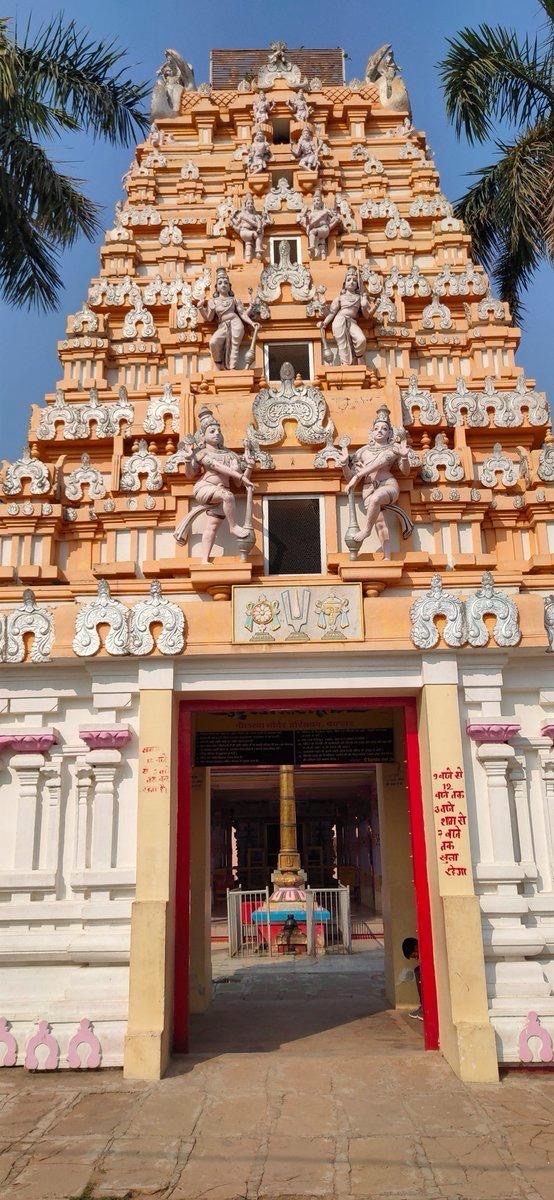
🛕 Naulakha Mandir (Baikunthnath Temple / Charitravan Baikunth)
A premier Hindu temple dedicated to Lord Vishnu, Naulakha Mandir stands as a remarkable architectural and cultural landmark in the historic Charitra Van region of Buxar. Breaking away entirely from the local North Indian Nagara tradition, the temple is built in the majestic South Indian Dravidian style - featuring soaring gateways, intricate carvings, and vibrant sculptural tiers that draw direct inspiration from iconic monuments like Madurai's Meenakshi Temple.
Its origins date to 1974, when it was constructed under the spiritual vision of the revered saint Tridandi Swami Ji Maharaj, whose ashram stood nearby on the banks of the Ganges. The consecration ceremony - Prana Pratishtha - was a monumental event, jointly performed by 108 Vedic priests from North India and 108 priests from South India, making it a rare living bridge between two great traditions.
The temple is also deeply rooted in epic history: its location within Charitra Van is the legendary forest ground where Lord Rama and Lakshmana are believed to have completed their early education, scriptural studies, and spiritual training under the guidance of Sage Vishwamitra.

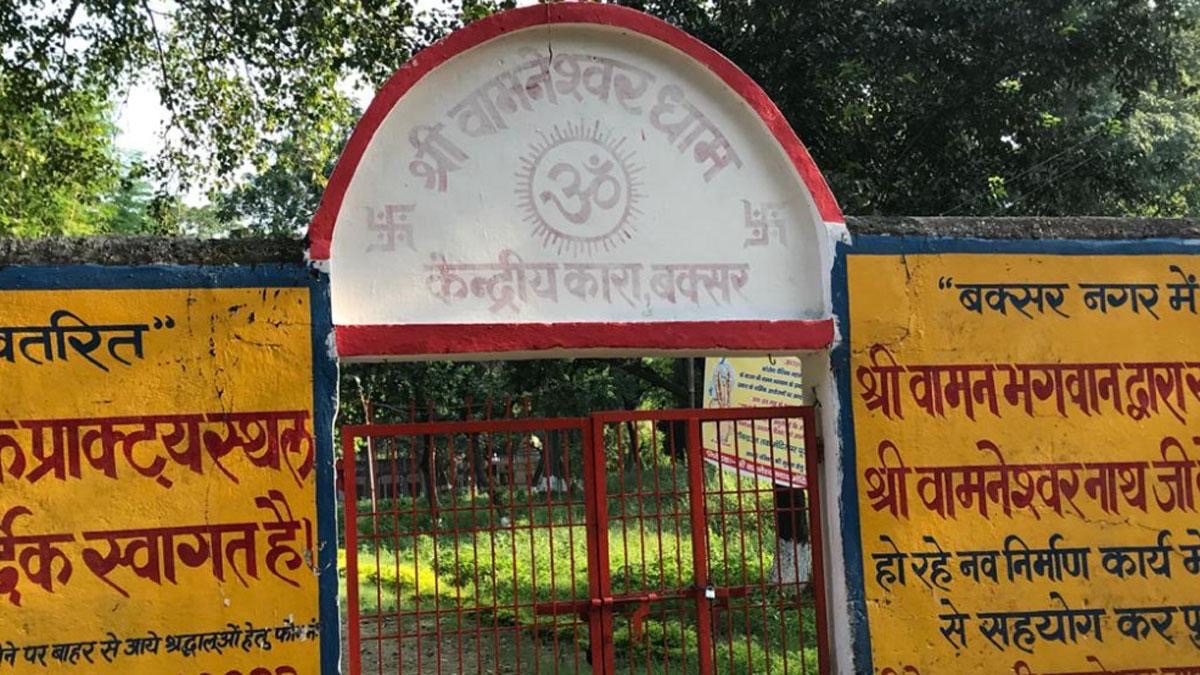

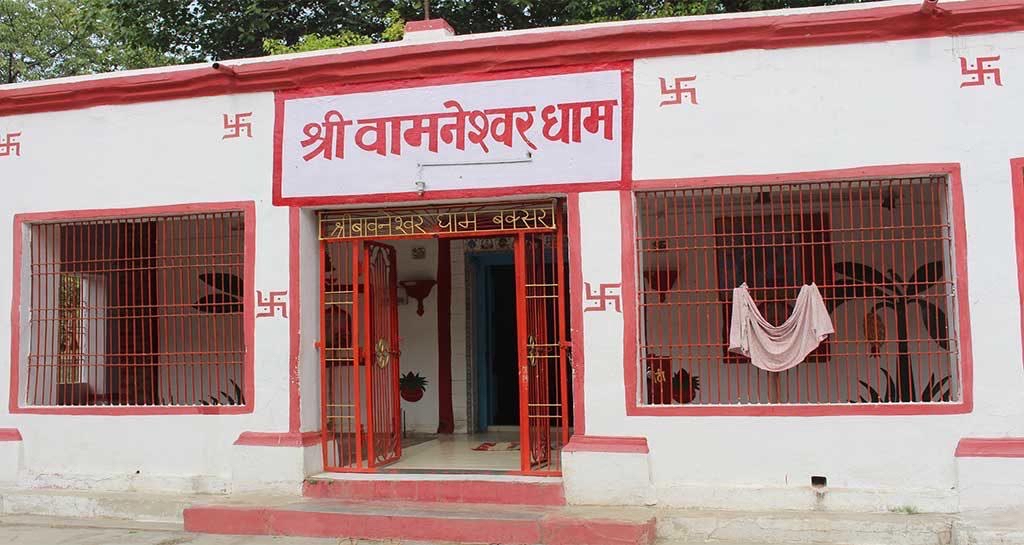
🕉️ Vamaneshwar Dham - Birthplace of Lord Vamana
Lord Vishnu's fifth incarnation took place right here in Buxar - in the form of the young Brahmin boy Batuk Vamana, recognized as the first human form among the Dashavatara. To end the tyranny of the demon King Bali, Lord Narayana took birth from the womb of the sages Kashyapa and Aditi at an ashram located in Charitravan. Following this divine event, the site came to be known as Vamnashram, historically identified as the ancient Siddhashrama. Named Vamana on account of his short stature, he used intellect and wisdom to strip demon King Bali of his empire - eliminating Lord Indra's fear of losing his celestial throne and destroying demonic forces on this very soil.
Before proceeding to defeat King Mahabali, Lord Vamana established a Shivalingam at this exact spot to perform penance. Because the site honours both Lord Shiva and Lord Vamana, the shrine is called Vamaneshwar Dham. According to the Ramayana, Sage Vishwamitra later brought Lord Rama and Lakshmana to this very ashram - advising Rama to pray to the Shivalingam established by his own past incarnation.
The temple's largest annual celebration is Vamana Dwadashi (Bhadra Shukla Dwadashi, around September), drawing massive crowds of devotees from across the region.
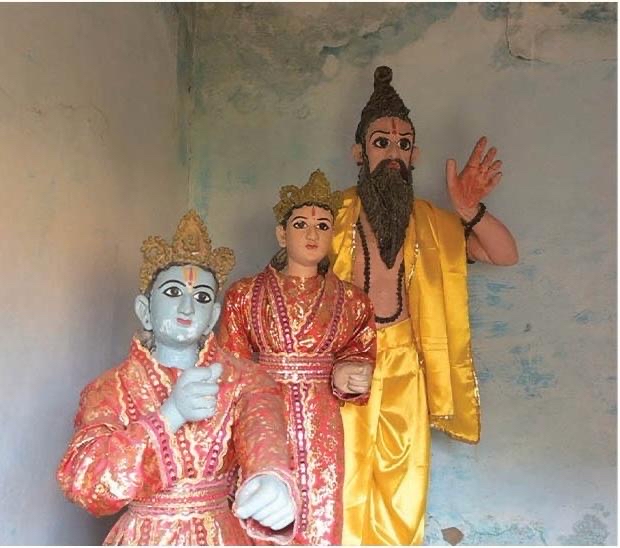


🛕 Vishwamitra Rishi Ashram (Siddhashram / Tapovan)
The Vishwamitra Rishi Ashram, also renowned as Siddhashram or Tapovan, is a highly sacred Vedic heritage site situated in the Charitravan area of Buxar, Bihar. It marks the spiritual seat where the legendary Sage Vishwamitra performed intensive penance and established an ancient center of learning. According to the Ramayana, this is the historic tapobhoomi where the young princes Lord Ram and Lakshman were brought from Ayodhya. Within this holy sanctuary, Sage Vishwamitra imparted supreme knowledge of warfare, ancient scriptures, and powerful divine mantras like Bala and Atibala to the princes.
This sacred land is also the monumental site where Lord Ram fought his very first battle, valiantly defeating the demoness Tadaka and the demon Subahu to protect the Sage's yajna from disruption. Today, the ashram serves as the final, absolute climax of Buxar's famous annual Panchkoshi Parikrama pilgrimage. Devotees conclude their spiritual journey here by cooking and consuming the traditional Litti-Chokha prasad, beautifully commemorating the historic meal shared by Lord Ram at the end of his quest.
While the physical structure from the Treta Yuga no longer stands, the entire region remains deeply revered, housing a dedicated modern ashram temple with idols of Sage Vishwamitra, Lord Ram, and Lakshman for contemporary worship.
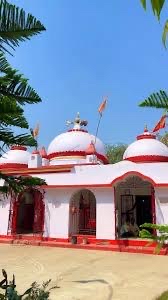
🕉️ Someshwar Nath Mahadev Temple
One of the five legendary, ancient Shiva temples in Buxar, Bihar, located near the Central Jail / Bibiganj area. It holds deep spiritual and mythological significance for locals and pilgrims visiting the historic city. According to local lore and historical accounts, during the Mughal era, Nawab Khale Khan — a general of Aurangzeb — attempted to destroy the temple's sanctity. He struck the central Shivling with a sword, leaving a distinct, visible fracture mark on the stone that can still be seen by devotees today.
Legends say that Chandrama originally established this Shivling to seek relief from a curse, giving it the name Someshwar. It stands in close proximity to other high-integrity shrines including the Vamneshwar Mahadev and Sangameshwar Mahadev, completing a sacred path of worship within Buxar.
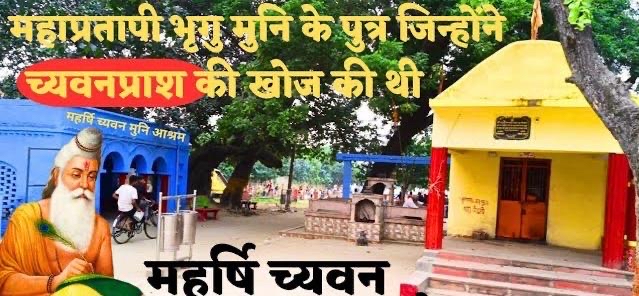

🌿 Maharishi Chyawan Muni Ashram
The Maharishi Chyawan Muni Ashram, a deeply revered ancient and mythological sanctuary, stands as a cornerstone of spiritual heritage in the Chausa block of Bihar's Buxar district. This sacred site holds immense cultural significance as the traditional birthplace and discovery site of Chyawanprash, the legendary Ayurvedic formulation crafted by Maharishi Chyawan using thirty-eight distinct medicinal herbs to restore his youth and vitality.
The profound impact of the sage on the region is permanently etched into local geography, with historians and residents widely believing that the modern town name "Chausa" is a direct etymological derivation of the name Chyawan.
Furthermore, the ashram is deeply intertwined with epic history, serving as a critical destination on the holy Panchkoshi Yatra pilgrimage circuit. Local scriptures recount that Lord Rama and Laxman journeyed to this very ashram to seek the blessings of the revered sage while traversing the wilderness of Buxar under the guidance of Guru Vishwamitra.
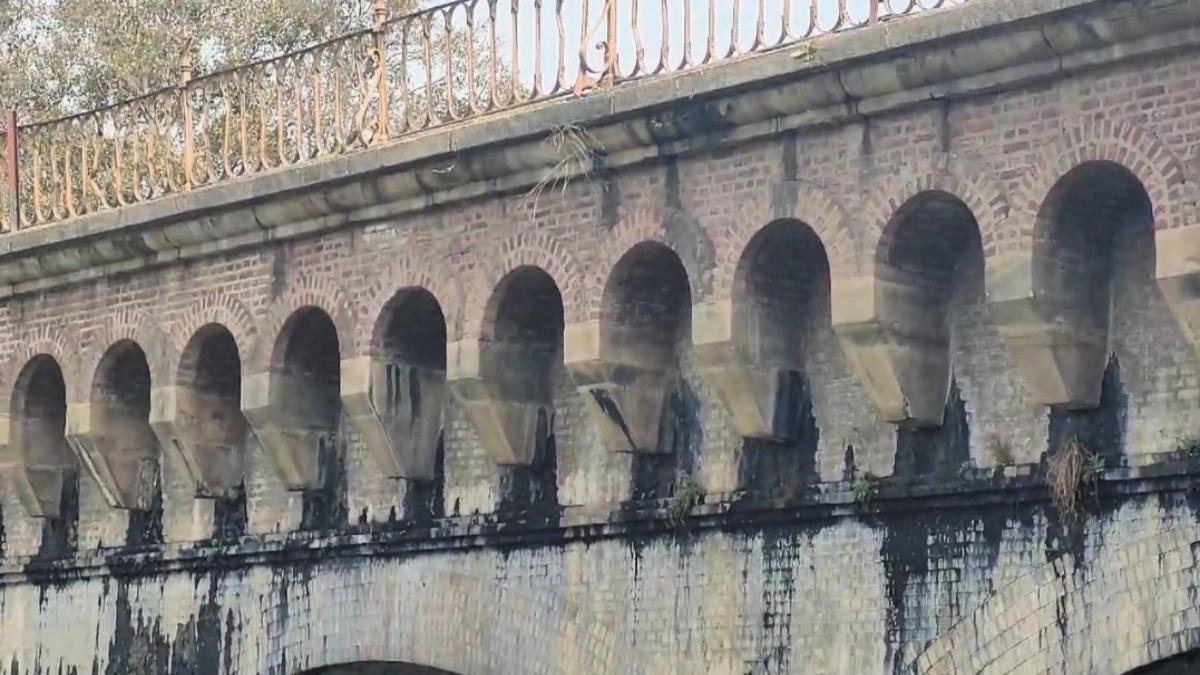

🌉 Sikraul Lock Bridge
A marvel of engineering: the Sikraul Lock Bridge, which connects the Sone Canal System to the Buxar Main Canal branch, still stands with pride and strength today, showcasing mind-boggling engineering. Located in Sikraul, about 40 kilometres from the Buxar district headquarters, the Sikraul Lock Bridge is a magnificent specimen of British architecture.
The Thora River flows beneath it, while the water of the Sone Canal flows above it, irrigating thousands of hectares of land. Meanwhile, thick walls have been constructed on both sides of the bridge to prevent the canal water from spilling below. These brick-built walls are so thick and strong that heavy vehicles have been operating over them for years.
Although it is difficult to state exactly when it was built, it is believed to have been constructed between 1920 and 1921.
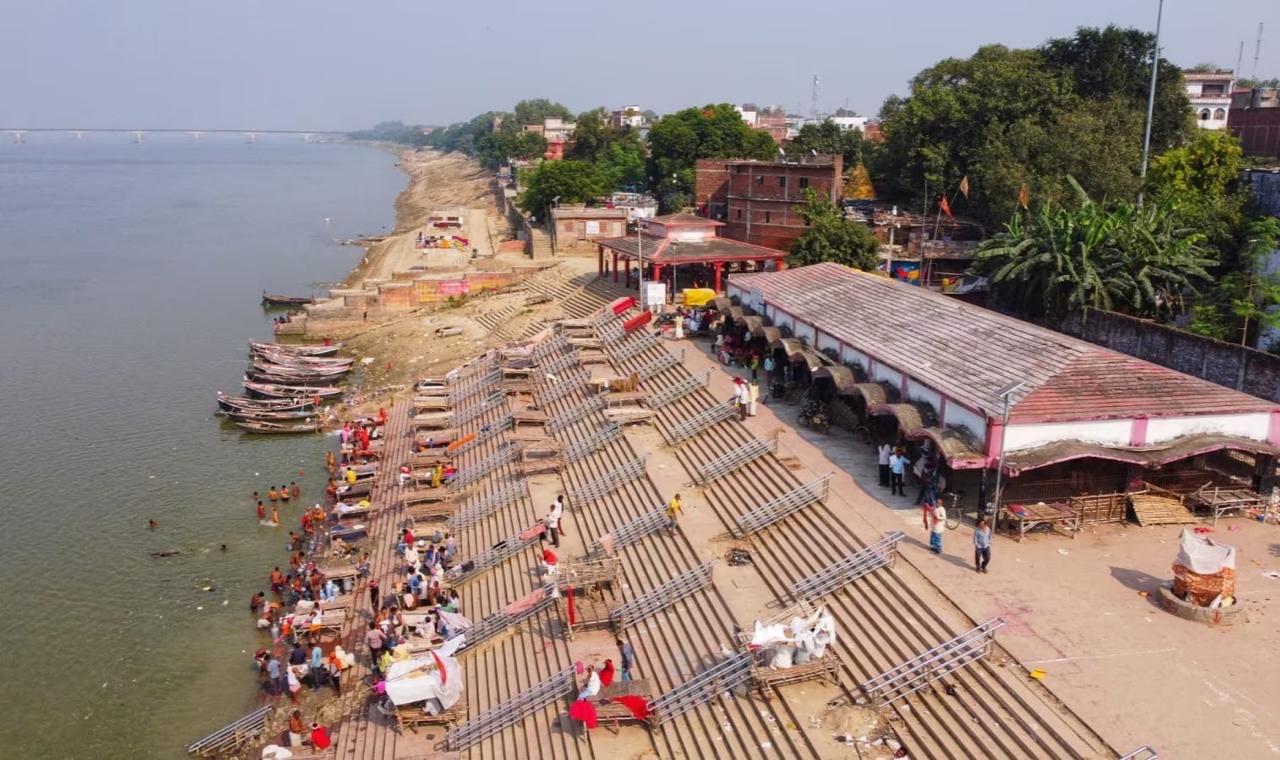

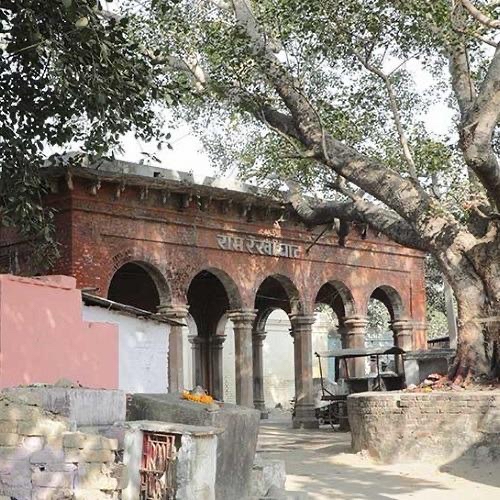
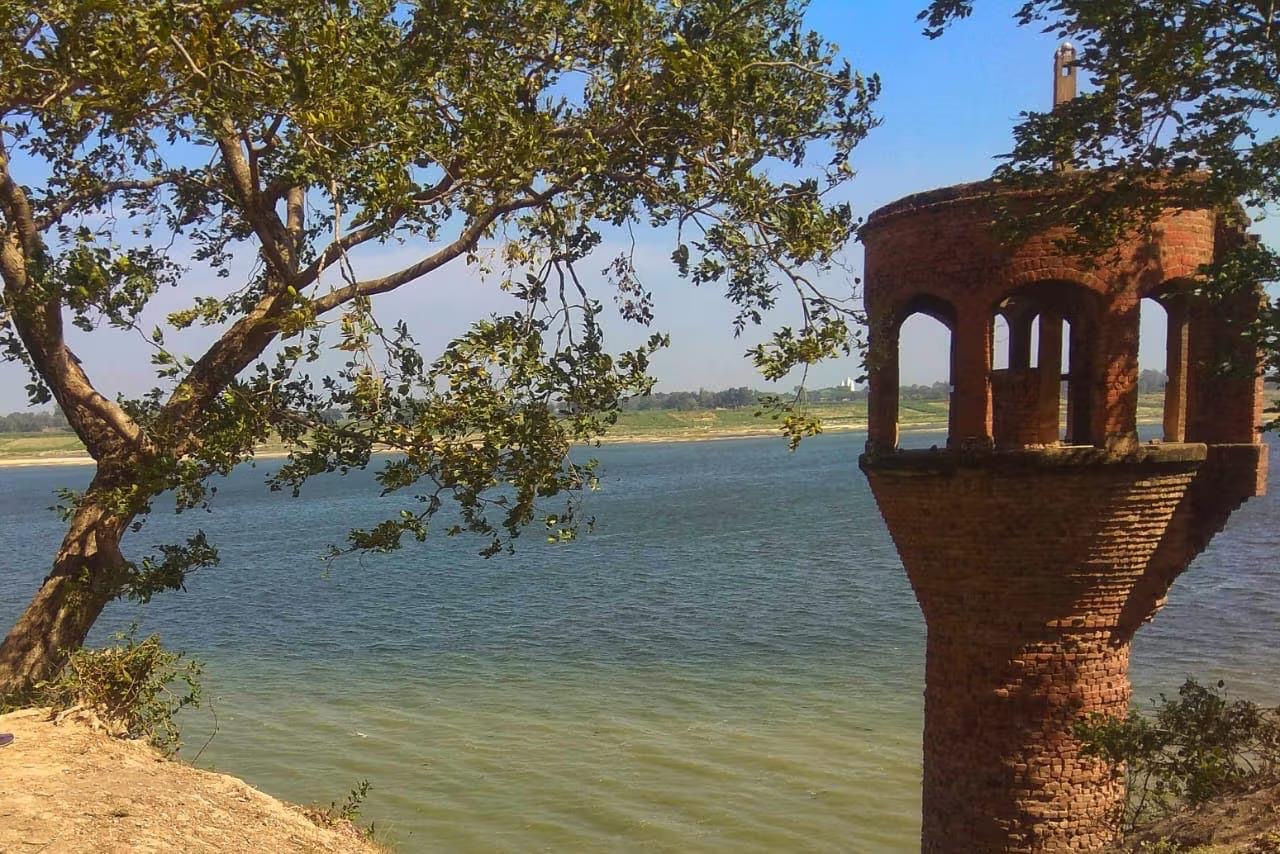

🌊 Ramrekha Ghat
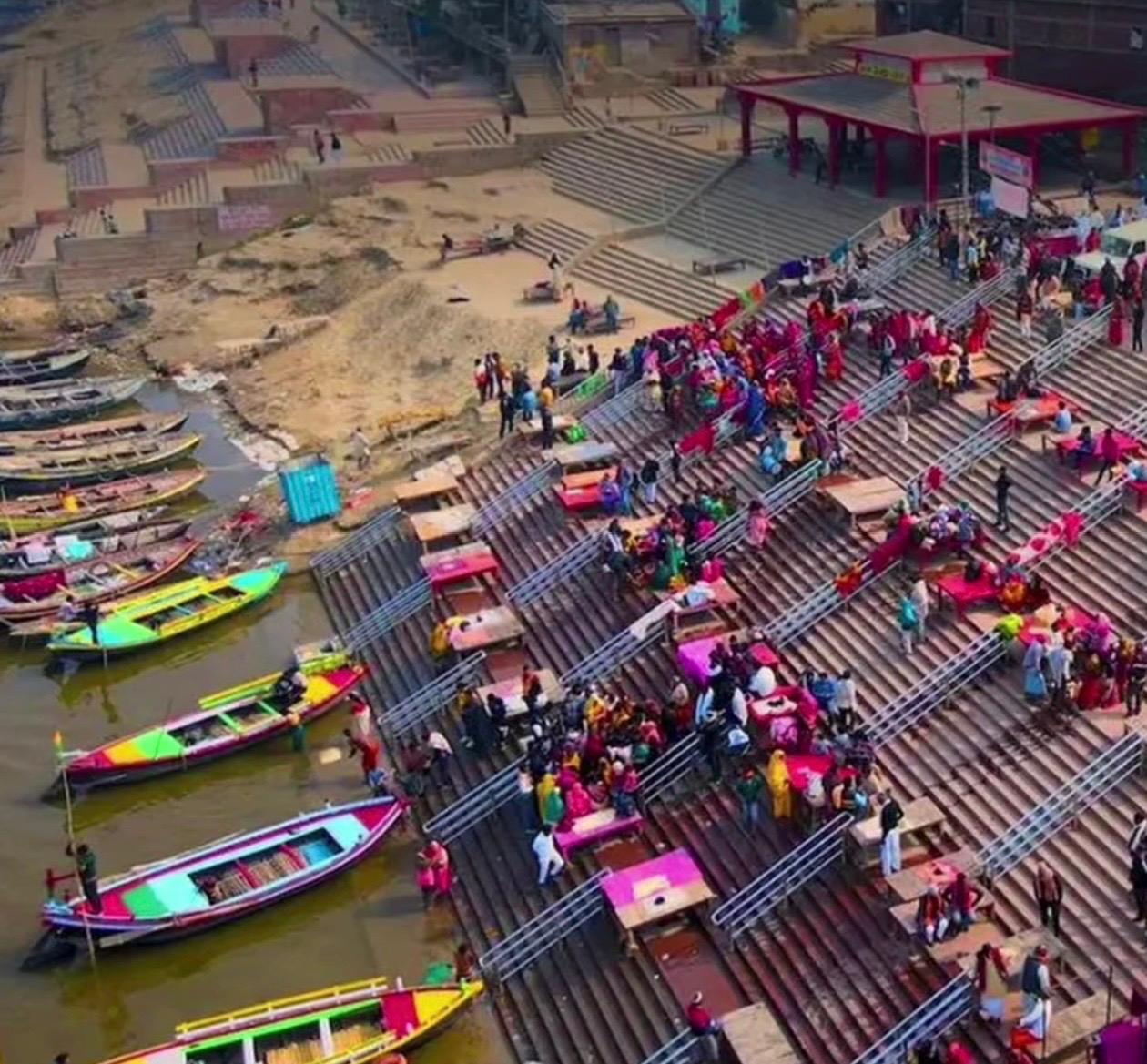
Ramrekha Ghat stands as the most famous and sacred landmark in Buxar, Bihar, beautifully situated on the banks of the holy Ganges River where the water uniquely flows in an auspicious north-bound (Uttaravahini) direction. Deeply rooted in the Ramayana era, local legend dictates that after Lord Ram killed the demoness Tadka, he drew a protective boundary line here with his arrow to shield the local sages' Siddhashram from evil forces.
To absolve himself of the sin of slaying a woman, Lord Ram took a holy bath in these waters and sculpted a sacred Shivling out of loose mud, leaving behind deep handprints and footprints in the stone that pilgrims still devoutly worship today. In later years, he returned to this very site following his coronation to perform a massive Vedic Yagna.
Today, this historic ghat serves as a vital spiritual hub where thousands gather to take a holy dip and mark the essential starting point for the famous annual five-day Panchkoshi Parikrama pilgrimage.
Buxar's hall of Fame
To embark on a tour of Buxar is to walk through a living anthology, where every stone and ripple of water serves as a stanza in the grand epic of India.
Click on any place name to open its location in Google Maps.
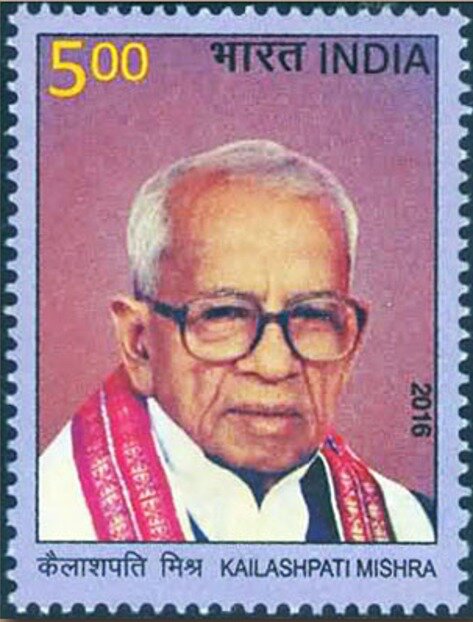
Kailashpati Mishra: The ‘Bhishma Pitamah’ of Bihar Politics
Kailashpati Mishra (1923–2012) stands as one of the most towering and revered political architects in the history of modern Bihar. Affectionately known as the "Bhishma Pitamah" of the Bharatiya Janata Party in the state, his life was a masterclass in grassroots leadership, dedicated public service and political strategy.
Born in the culturally rich soil of Buxar, Mishra began his journey as a dedicated social worker before rising to become a foundational pillar of the Jan Sangh and later the BJP in eastern India. His immense organizational skills unified regional factions and laid the groundwork for the party's eventual governance in Bihar.
Recognized nationally for his statesmanlike wisdom and unyielding integrity, he also served with distinction as the Governor of Gujarat and the Governor of Rajasthan. Today, he is remembered not just as a politician but as a legendary visionary from Buxar whose legacy continues to inspire generations of leaders across India.
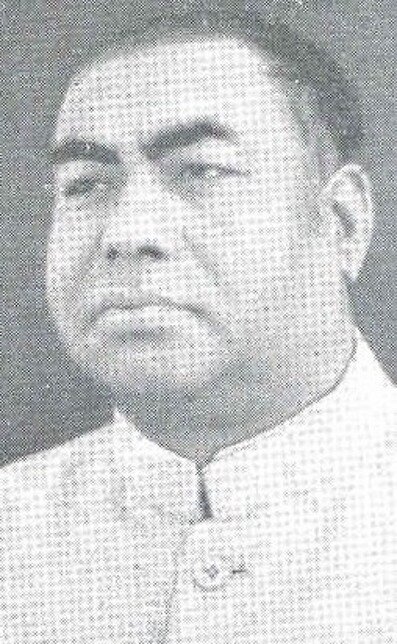
Harihar Singh: The Poet-Politician Who Led Bihar
Harihar Singh was a remarkably unique figure in Bihar’s public history, a man who seamlessly bridged the worlds of grassroots politics and rich regional literature. Famously serving as the Chief Minister of Bihar during a politically turbulent phase in 1969, he remains one of the most prominent leaders to have emerged from the historic soil of Buxar.
Beyond the high offices of state administration, Singh’s true passion lay in his deep love for his mother tongue. He was a deeply respected Bhojpuri poet and writer whose verses captured the raw essence, struggles and beauty of rural Bihar. His literary contributions played a vital role in preserving traditional folklore and elevating Bhojpuri culture to a broader audience.
A fierce freedom fighter in his youth and a charismatic orator later in life, Harihar Singh is celebrated today as a rare statesman who governed with administrative grit while keeping the soul of a true artist alive.
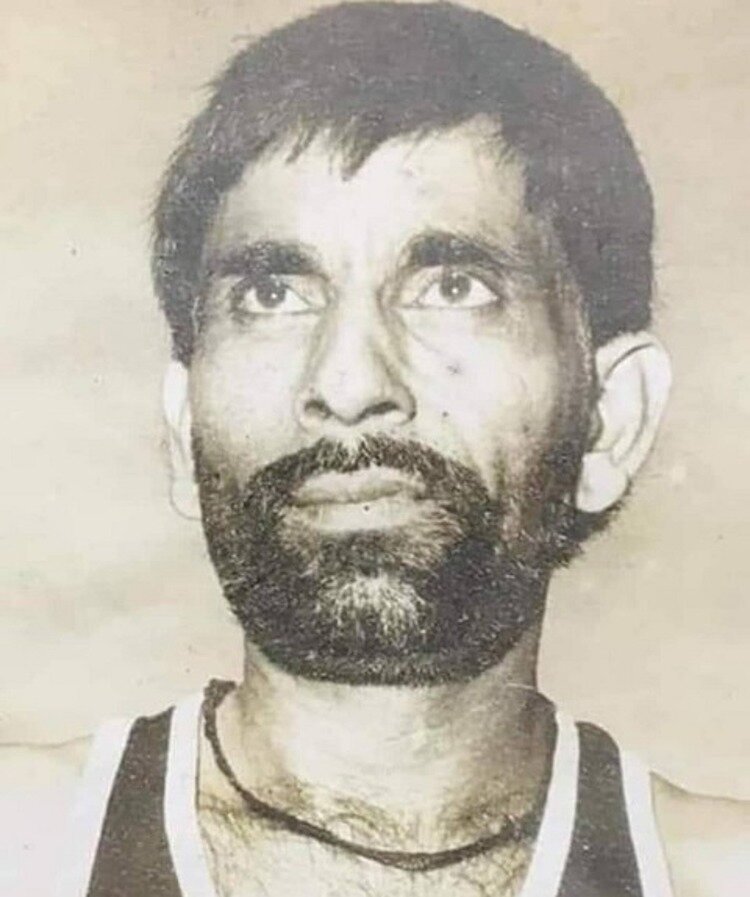
The Barefoot Legend: Shivnath Singh
Hailing from Majharia village in Buxar, Bihar, Shivnath Singh is widely revered as one of India's greatest long-distance runners. Renowned for running entirely barefoot, he shocked the world by placing 11th at the 1976 Montreal Olympics marathon and dominating the 1974 Asian Games with Gold and Silver medals.
A proud veteran of the Indian Army's Bihar Regiment, he set a legendary marathon time of 2 hours and 12 minutes in 1978,a historic mark that stood as India’s longest-standing national athletics record for 48 years. Today, his legacy lives on as an enduring symbol of raw grit and pure Indian talent.
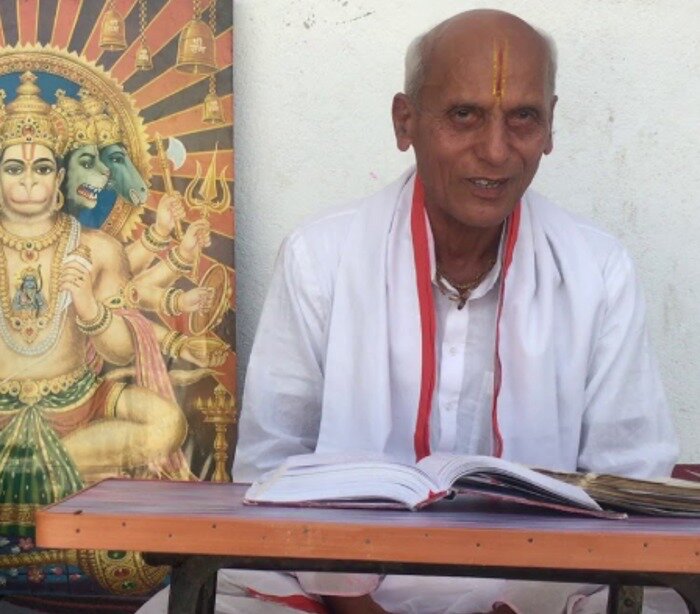
Pandit Badri Narayan Dubey: The Pioneer of Bhojpuri Ramayana
Pandit Badri Narayan Dubey, widely known as 'Badri Narayan Buxari', is a distinguished poet and literary scholar from Bihar, India, who achieved monumental fame by translating the epic Ramayana into the Bhojpuri language. Born in Dudura village within the Buxar district, Dubey originally served professionally as a government revenue officer before dedicating his life to this spiritual literary pursuit. His masterpiece, titled "Ram Rasayan", is a complete Bhojpuri adaptation of the Ramayana written beautifully in traditional folk meters, ragas, and regional dialects. Inspired by a spiritual vision of Lord Hanuman in July 1993, he authored this grand epic to make the virtues of Lord Rama easily accessible to the global Bhojpuri-speaking community. Today, his work is deeply revered, frequently recited during religious gatherings, and has earned him several prestigious awards for his exceptional contribution to preserving and enriching Bhojpuri culture.

Nitu Chandra: The Global Icon Championing Regional Cinema
Nitu Chandra is a dynamic, multi-talented powerhouse who has taken the cultural identity of Bihar to national and international heights. Celebrated across Bollywood, Hollywood and South Indian cinema, she is a versatile actress, an internationallevel Taekwondo black belt athlete and a visionary film producer deeply rooted in her heritage.
Born in Buxar, with Bhojpuri as her proud mother tongue, Chandra made a significant splash in mainstream Hindi cinema with prominent roles in hits like Garam Masala, Traffic Signal, and Oye Lucky! Lucky Oye!. However, her most impactful legacy is her crusade to reform and elevate regional cinema. Driven by a mission to dismantle crude stereotypes surrounding regional filmmaking, she founded the production house Champaran Talkies alongside her brother, National Awardwinning director Nitin Chandra.
Under their banner, she produced the groundbreaking movie Deswa (2011), a poignant, content-driven film tackling the realities of migration in Bihar. Deswa made history as a masterpiece, traveling to 37 international film festivals and becoming the first Bhojpuri film ever selected for the prestigious International Film Festival of India (IFFI) in Goa. Continuing her streak of cultural milestones, her banner also produced Mithila Makhaan, which won the National Film Award for Best Maithili Film. Nitu Chandra stands out as a true trailblazer from Buxar, proving that regional roots can blossom into world-class cinema.
🏭 Government Offices
- DM9473191239
- SP9431822981
- Hospital9470003163
(Civil surgeon, Buxar) - Court06183-222XXX
- Portalbuxar.nic.in
📞 Helpline Numbers
- Citizen's Call center 18003456164
- Child Helpline 1098 / ADCPU 7654530177
- Women Helpline 6207926811
- Crime Stopper 100
- CM Helpline No. 1100
🔗 Quick Links
Photo Gallery

Buxar Collectorate Location
Find the Collectorate Buxar, DM Office & RTO Office — the administrative heart of the district.